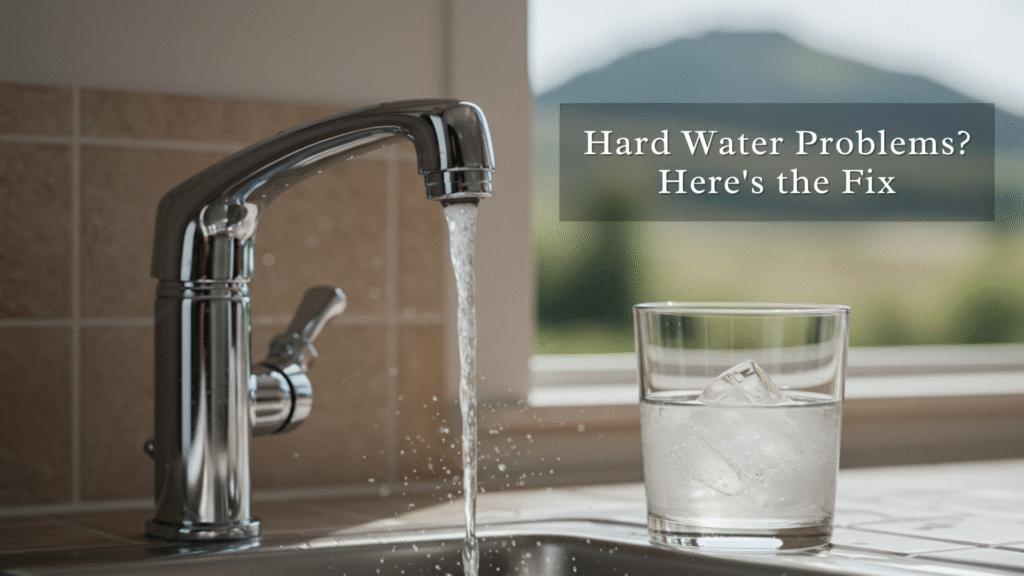
If your shower doors are chalky and your soap refuses to lather, welcome to Twin Falls. You’ve got hard water—and lots of it.
Twin Falls water clocks in at around 16.1 grains per gallon. That’s not just hard. That’s “extremely hard” by any standard. And if you’re seeing cloudy glassware, itchy skin, or a crusty white ring in your toilet tank, you’re not imagining things.
Hard water affects more than your dishes—it shortens the life of your appliances, drives up your energy bill, and quietly wrecks your plumbing from the inside out.
But there’s good news: a properly installed water softener can solve all of that. In this blog, we’ll break down what hard water really is, why it’s a problem in Twin Falls, and how you can protect your home, your pipes, and your wallet—without going full chemistry nerd.
What Is Hard Water—and Why Twin Falls Has It
Hard water is simply water that’s picked up too many dissolved minerals—mostly calcium and magnesium—on its way to your tap. These minerals are common in areas with limestone and chalk-rich soils, which happen to be part of the natural geology around Twin Falls and the Magic Valley.
Now, a little mineral content in your water isn’t dangerous. But when levels climb as high as they do here, you start to notice the effects:
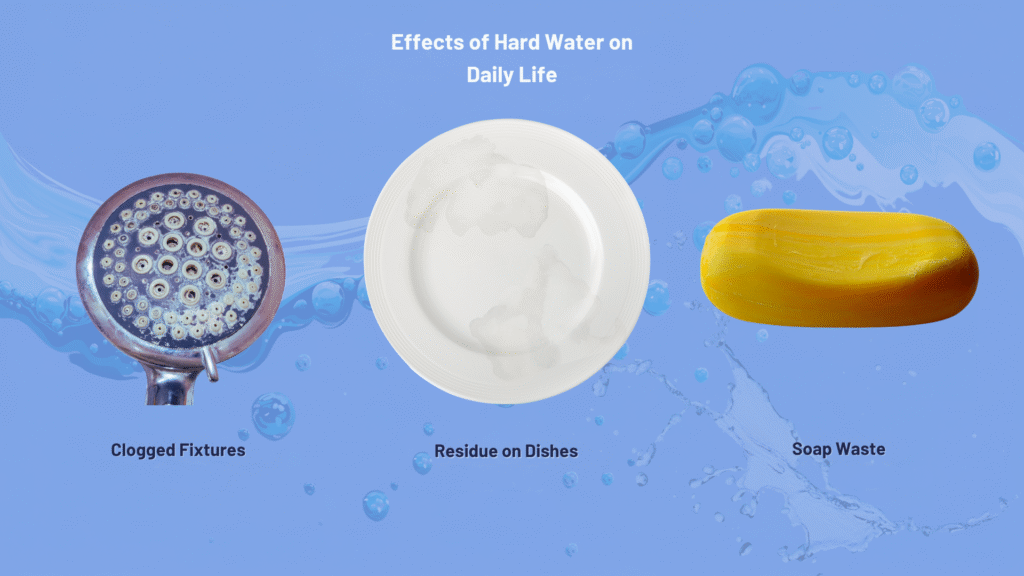
• White, crusty buildup (scale) on faucets and fixtures
• Cloudy spots on dishes and glassware
• Soap that barely lathers and leaves a film on your skin
• Clogged shower heads and weakened water pressure
• Appliances working overtime—and wearing out faster
How Hard Is Hard?
Here’s a quick snapshot of how Twin Falls compares on the water hardness scale:
| Hardness Level | Grains per Gallon (gpg) | Classification |
|---|---|---|
| 0 – 3.5 | Soft | Ideal |
| 3.5 – 7.0 | Moderately Hard | Still manageable |
| 7.0 – 10.5 | Hard | Noticeable buildup |
| 10.5+ | Very Hard | That’s Twin Falls |
That puts our local water squarely in the “very hard” zone—and it explains why scale builds up so quickly in your water heater or why your dishwasher seems to be plotting against you.
What Hard Water Does to You & Your Home
Hard water might seem harmless at first—it’s just water with minerals, right? But those minerals cause serious trouble once they start building up inside your home.
Here’s what hard water actually does:
-
• Clogs your water heater’s heating elements with mineral scale, making it up to 30% less energy efficient. That means your heater has to work harder and longer, hiking your energy bills.
-
• Shortens appliance lifespan by 30 to 50%—dishwashers, washing machines, water heaters, even your coffee maker suffer from mineral buildup. (Source: homewater101.com)
-
• Leaves chalky white residue on shower doors, faucets, sinks, and dishes, making everything look dirty even when it’s clean.
-
• Makes soap less effective, so you use more detergent, shampoo, and body wash—but still don’t get that satisfying lather.
-
• Causes dry, itchy skin and brittle hair, especially if you have sensitive skin.
The emotional toll?
Endless scrubbing to get the scale off your fixtures. Frustration when your dishwasher spots never fully disappear. And watching your monthly utility bills creep higher with no clear cause.
Hard water isn’t just a nuisance—it’s silently costing you time, money, and comfort every single day.
How Water Softeners Work
Good news: water softeners are simple but smart devices designed to tackle hard water head-on.
Here’s the step-by-step:
-
1. Hard water enters the softener tank, which is filled with tiny resin beads.
-
2. These beads are charged with sodium ions—think of them as friendly replacements.
-
3. As hard water passes through, the resin beads swap calcium and magnesium minerals (the hard stuff) with sodium ions.
-
4. The water that leaves the tank is now softened, free from the scale-causing minerals.
-
5. Over time, the resin beads become saturated with calcium and magnesium and lose their effectiveness. To recharge them, the system runs a brine regeneration cycle:
-
• A concentrated saltwater solution (brine) flushes through the resin beads.
-
• This flush replaces the captured calcium and magnesium ions with fresh sodium ions, restoring the beads’ ability to soften water.
-
• The used minerals and brine solution are then flushed out of the system as wastewater.
-
Does softened water have more sodium?
Yes, but only a tiny amount—roughly the same sodium as one slice of bread in an 8-ounce glass of water. For most people, that’s not a health concern. If you’re on a sodium-restricted diet, talk to your doctor—there are alternative softening options too.
Benefits You’ll Actually See
Installing a water softener isn’t just a “nice to have”—it brings real, tangible improvements to your daily life and your home’s health.
Cleaner Dishes and Glassware
Say goodbye to the cloudy film and white spots that hard water leaves behind. Softened water rinses away soap and detergent completely, so your dishes come out sparkling and spotless every time—no extra scrubbing required.
Softer Skin and Hair
Hard water dries out your skin and leaves your hair feeling brittle. With soft water, you’ll notice skin feels smoother, hair becomes more manageable, and you won’t have that tight, itchy feeling after a shower. This is especially noticeable for people with sensitive skin or eczema.
Less Soap and Detergent Waste
Soft water helps soap lather up better and rinse off completely. That means you’ll use less shampoo, body wash, laundry detergent, and dish soap—saving you money and reducing the build-up of soap scum on your fixtures and clothes.
Energy and Utility Savings
Because hard water causes scale build-up inside your water heater and pipes, appliances have to work harder. Soft water prevents scale, so your water heater runs more efficiently, using less electricity or gas—potentially lowering your utility bills by up to 30%.
Longer Lifespan for Plumbing and Appliances
Mineral scale can clog pipes, damage fixtures, and shorten the life of expensive appliances like dishwashers, washing machines, and water heaters. Softened water protects your home’s plumbing system and keeps appliances running smoothly for years longer.
Limitations — Know What a Softener Doesn’t Fix
While water softeners do an excellent job tackling mineral hardness, they’re not a catch-all solution.
What Water Softeners Don’t Remove:
-
• Sediment and dirt—that’s the job of sediment filters.
-
• Chlorine and chemical contaminants—carbon filters handle these.
-
• Bacteria and pathogens—water softeners don’t purify or disinfect.
-
• Iron and sulfur—specialized filters or treatments are needed for these.
-
• Nitrates and other harmful chemicals—different water treatment systems are required.
Taste Isn’t Improved—and Might Get a Bit Salty
Softened water replaces calcium and magnesium with sodium, which can give the water a slightly salty taste, especially if you’re sensitive to it. Softeners don’t remove chlorine or other taste-related chemicals, so pairing with a carbon filter often makes sense if taste is a concern.
Why Pair Softeners with Filters?
For complete water treatment, a water softener should be paired with other filtration systems like sediment and carbon filters. This combination ensures your water is not only soft but also clean, clear, and safe for you and your family.
What About Salt-Free Systems?
If you’re concerned about sodium intake or wastewater, salt-free conditioners offer an alternative. They don’t remove hardness minerals but condition the water to prevent scale buildup. These can be a good option for certain homes but don’t provide the full “soft water” feel.
Smart Buying & Maintenance Tips
If you live in Twin Falls, a water softener isn’t just a luxury—it’s a strategic home upgrade. But like any investment, you’ll get the most value by making smart choices from the start.
Go Whole-Home or Go Home
If you’re on well water or if city water in your area tests at 16.1 grains per gallon (which it does), a whole-house water softener is the way to go. That means soft water for your showers, laundry, kitchen, and appliances—not just one faucet.
Don’t Soften the Tomatoes
Install a bypass line to outdoor hose bibs. Your garden, lawn, and car wash don’t need softened water—and your tomatoes prefer the hard stuff anyway.
Pair It With Filters
Water softeners don’t catch everything. For a complete system:
• Use a sediment filter to trap dirt and rust.
• Add a carbon filter to remove chlorine, bad taste, and chemical odors.
This combo protects your water and your softener.
Service It Yearly
Like your HVAC or your car, a softener needs love. An annual inspection ensures the resin beads are working, the brine tank is clean, and everything regenerates as it should. Skipping service can cost you in hidden buildup and inefficient performance.
Cost vs. ROI—Is It Worth It?
• Equipment cost: $1,500–$3,000 installed for a quality whole-home unit in Twin Falls.
• Annual operating cost: ~$100–$200 (salt + water).
Savings:
• Up to 30% lower water heater energy use
• Fewer repairs/replacements for appliances
• Less soap/detergent spend
Most homeowners recoup the cost in 3–5 years, especially if your water heater and dishwasher were already showing scale damage.
FAQ: Water Softeners in Twin Falls
Q1: How bad is Twin Falls water hardness?
A: Twin Falls water averages around 16.1 grains per gallon (gpg), which falls under the “extremely hard” category. That means scale buildup is basically guaranteed unless you treat it.
Q2: How does a water softener work?
A: It uses ion exchange—the hard minerals (calcium and magnesium) in your water are swapped out for sodium ions as water flows through a resin bed. The system regenerates with a salt brine to recharge those beads.
Q3: Will softened water make me unhealthy?
A: Not at all. The added sodium is very low—about 12.5mg per 8 oz glass, or roughly the same as one slice of bread. For most people, it’s no concern. But if you’re on a strict sodium-restricted diet, consult your doctor.
Q4: Do I still need a filter?
A: Yes. A softener removes hardness minerals, but not chlorine, sediment, bacteria, or nitrates. For clean and great-tasting water, pair it with carbon and sediment filters.
Q5: How often should it be serviced?
A: We recommend a yearly service check-up. That ensures the resin is still effective, the regeneration cycle is working, and your system hasn’t developed salt bridging or buildup.
Q6: What’s the ROI on a softener in Twin Falls?
A: Considering Twin Falls’ extreme hardness, a softener can reduce scale buildup, lower energy bills by up to 30%, and extend appliance life by years. Most homeowners break even in 3–5 years—faster if their water heater or dishwasher is already suffering.
Got Hard Water in Twin Falls? We’ve Got Straight Answers.
Living in Twin Falls or the Magic Valley, hard water isn’t just a nuisance—it’s part of daily life. If you’re dealing with cloudy glassware, crusty fixtures, or appliances on the fritz, we’re here to help.
At Doulos Plumbing, we don’t do pushy sales pitches. Just honest advice, real solutions, and free estimates so you know exactly what to expect—no surprises, no pressure.
Want to know if a softener makes sense for your home?
Give us a call—we’re happy to talk it through.
Call Doulos Plumbing at (208) 544-4922
We’ll help you protect your home from hard water, one honest quote at a time.
Doulos Plumbing Team
Serving the Magic Valley with expert plumbing services. From water heaters to sewer lines, Doulos Plumbing is here to help Twin Falls and surrounding communities.