Why Backflow Prevention Matters in Twin Falls
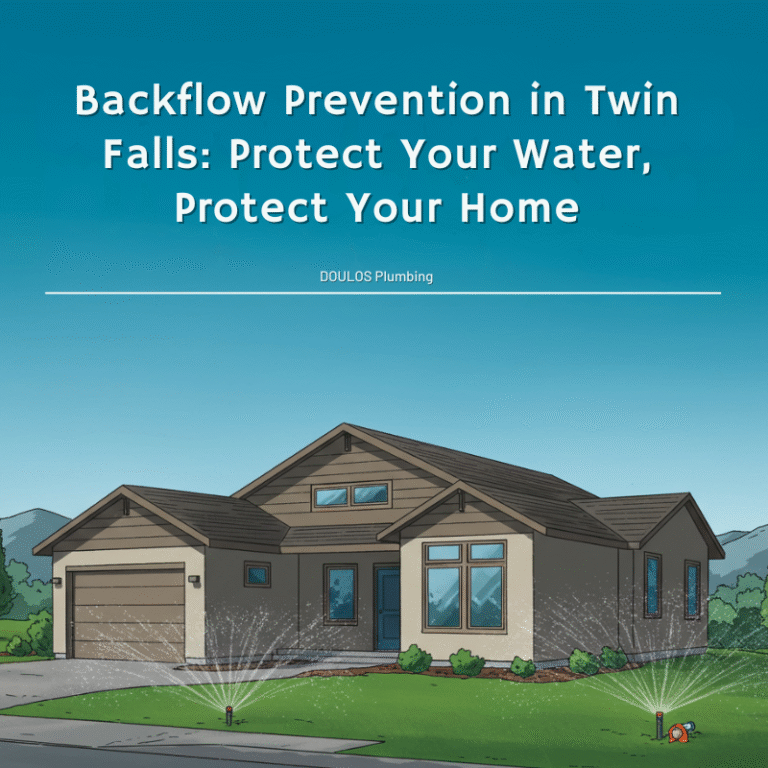
If you’re a Twin Falls homeowner and haven’t heard of backflow prevention, you’re not alone—but it’s something that can seriously impact the safety of your drinking water. Backflow happens when water flows the wrong direction in your plumbing system—carrying contaminants from things like garden hoses, irrigation lines, or even nearby farmland runoff back into your clean water supply.
This reverse flow can occur when there’s a sudden change in pressure—like a pipe burst or hydrant use—which creates suction that pulls dirty water into your home’s pipes. That’s why backflow prevention in Twin Falls isn’t just smart plumbing—it’s a safety essential.
Why it matters here in Twin Falls:
• Many homes use sprinkler systems or irrigation setups, which are common sources of backflow contamination.
• Twin Falls is surrounded by agriculture, which increases the risk of fertilizers or pesticides making their way into nearby plumbing systems.
• And like most growing towns, some neighborhoods still rely on older plumbing infrastructure, where pressure drops and cross-connections are more likely.
The goal of backflow prevention is simple: protect your drinking water and your family’s health by keeping outside contaminants out of your home’s water supply.
Local Tip: According to the City of Twin Falls Backflow Prevention Program, backflow prevention devices are required for certain water uses like irrigation, fire systems, and commercial properties. And yes—annual testing is part of compliance.
Whether you’re running a sprinkler line or upgrading your plumbing, understanding how to prevent water contamination is key. And the first step? Making sure your home has a properly installed and tested backflow preventer.
Common Causes of Backflow & Who’s At Risk
Ever wonder “Do I really need a backflow preventer?” If you’ve got a sprinkler system, the answer is most likely: yes, absolutely. In fact, if your home has any kind of irrigation setup, a well, or even a fancy outdoor faucet that connects to a hose, you’re already in the backflow danger zone.
So, what actually causes backflow?
Backflow happens when water flows in the wrong direction—back into your clean water supply—and it’s usually caused by a sudden change in pressure. Let’s say a city water main breaks or the fire department taps into a hydrant nearby. That drop in pressure can cause nearby pipes to suck water backward instead of pushing it forward like usual.
If there’s a garden hose sitting in a puddle, or a sprinkler line with residual fertilizer, all that stuff can get pulled into your home’s drinking water. It’s not just gross—it’s a real health hazard.
You’re especially at risk if:
• You have a lawn irrigation system or sprinkler system (even a small one).
• You use a garden hose with a fertilizer sprayer or car-washing attachment.
• You’ve got a well, a booster pump, or other pressure-altering devices.
• You live in a multi-level home where water pressure can fluctuate naturally.
And no, this isn’t just a problem for older homes or country properties outside Twin Falls. Even newer builds in subdivisions like Rock Creek, Broadmoor, or Morning Sun can be vulnerable if they don’t have the right protections in place.
Plumber’s Insight: Most Twin Falls homeowners with sprinklers are required to have a sprinkler system backflow preventer—but many don’t know if theirs is installed correctly… or tested regularly.
It’s kind of like wearing a seatbelt. You might not think about it every day—but when something unexpected happens, you’ll sure be glad it’s there.
What Twin Falls Homeowners Need to Know About Testing
Backflow testing might sound like something only commercial buildings need—but in Twin Falls, if you’ve got a sprinkler system, garden irrigation, or anything that connects your outdoor plumbing to your drinking water supply, you’re probably required to have it tested once a year.
What is backflow testing, anyway?
It’s a quick inspection to make sure your backflow prevention device is doing its job—keeping dirty water from reversing into your clean water line. Think of it like a checkup for your plumbing’s immune system.
Here’s how the process typically works:
• Shut off your water supply temporarily to isolate the backflow device.
• Use a test kit (usually a pressure gauge and valves) to check if the internal components are holding pressure properly.
• Look for any leaks or drop in pressure—that’s a red flag the device isn’t sealing like it should.
• Log the results and send them to the City of Twin Falls (they require an official form submission each year).
Heads-up: The City of Twin Falls requires this test to be done by a certified backflow technician—so even if you’re a DIY-er, this one’s best left to the pros.
Do you really need it?
If your home has:
• A sprinkler system
• A well or secondary water source
• An outdoor hose bib with a vacuum breaker (common in older homes)
…then yes, you likely need annual testing. It’s not just about checking a box—it’s about keeping contaminants like lawn chemicals, fertilizers, or bacteria out of your home’s water.
Local Tip: Twin Falls’ water department actively enforces testing—so if you’ve never had one done, or your last report is over a year old, now’s a great time to schedule it. Doulos Plumbing is fully certified and files the paperwork for you.
How Much Does Backflow Prevention Cost?
Let’s talk numbers—because no one likes plumbing surprises when the bill shows up.
If you’re thinking about adding or replacing a backflow preventer, here’s what most Twin Falls homeowners can expect:
Typical Backflow Costs in Twin Falls (2025)
| Service | Average Cost Range |
|---|---|
| Backflow preventer device (parts) | $90 – $200 |
| Professional installation (basic setup) | $150 – $350 |
| Complex installation (e.g., commercial or hard-to-access lines) | $350 – $700 |
| Annual testing & certification | $75 – $150 |
For most residential homes: Expect to pay $250 to $500 for install + first-year testing.
For complex or commercial systems: Costs can run $600 to $900+, especially with valve upgrades or line rerouting.
What Affects the Price?
• Type of system: Sprinkler setups are usually straightforward. If you’ve got a well or multiple water zones, it may need custom parts.
• Accessibility: If your plumbing is buried or in a tight crawlspace (classic Twin Falls basements!), it may take more time.
• Existing valves: If you’ve got an old or non-compliant setup, your plumber may need to upgrade more than just the preventer.
Is it worth it?
Absolutely. One cross-connection mishap—say, lawn fertilizer or pesticide getting sucked into your drinking water—can cost way more than the install. Plus, if you skip the testing and the city finds out, you could face water shut-off or fines.
Backflow prevention might not be the flashiest home upgrade, but when it comes to protecting your family’s water? It’s a no-brainer.

The Bottom Line: Safe Water Starts with the Right Protection
Here’s the deal—when it comes to your home’s water supply, “better safe than sorry” isn’t just a cliché, it’s plumbing wisdom. A properly installed backflow preventer keeps dirty water out of your clean supply. No mystery gunk, no lawn chemicals sneaking into your kitchen tap, no costly “uh-oh” moments.
And the benefits? Plenty:
• Health protection — Your family deserves clean, safe water. Period.
• Peace of mind — You’ll pass city inspections and avoid fines or shutoffs.
• Added resale value — Future buyers care about safe plumbing systems too.
• Low maintenance, long-term gain — One smart device, years of protection.
Whether you’ve got a sprinkler setup, an old system that needs updating, or just want to be sure your home is protected, a backflow preventer is one of the smartest plumbing upgrades you can make.
Need backflow testing or installation in Twin Falls?
Contact Doulos Plumbing for certified service and safe water you can trust — from irrigation lines to kitchen taps, we’ve got your back(flow). Call or Text us at (208)544-4922
Frequently Asked Questions
1. What is backflow and how can it affect my home’s water supply?
Backflow is when contaminated water flows backwards into your clean water line due to pressure changes. It can introduce harmful substances—like pesticides or fertilizers—into your drinking water, which is a serious health risk.
2. Do I need a backflow preventer in Twin Falls if I have a sprinkler system?
Yes. City code requires backflow preventers on irrigation systems that use potable water—not pressurized irrigation systems. If your system ties into city water, it must have a device installed and tested annually.
3. What are the backflow testing requirements in Twin Falls for homeowners?
Annual testing by a certified technician is mandatory for any potable connection system (e.g., irrigation) in Twin Falls. Tests must be logged with the city using approved forms, and your device must pass yearly inspections.
4. How much does backflow prevention device installation cost in Twin Falls?
Most standard residential backflow installations in Twin Falls range from $250 to $500, including both the device and professional labor.
If your system is more complex — such as needing additional plumbing work or located in a hard-to-reach area — costs can rise to $600–$900.
Annual backflow testing and certification typically costs $75 to $150, depending on the provider and location of the device.
5. What are the signs that I might need backflow protection at home?
Watch for cross-connections like garden hoses in fertilizer containers, potable water feeding overhead sprinklers, or chemical-soaked equipment. Any non-potable water source connected to your system puts you at risk.
6. Can I install a backflow preventer myself or do I need a certified plumber?
Installation must be done by a certified professional. Twin Falls regulations require devices to be tested and recorded by certified backflow testers.
7. How often should I schedule backflow testing in Idaho?
Annual testing is required. Many homeowners schedule tests in spring (when irrigation systems activate) and include fall blowout services.
8. What’s the difference between a check valve and a backflow preventer?
A check valve allows flow in only one direction, but may not meet city health code. A backflow preventer (like an RPZ or PVB) is designed for cross-contamination protection and must be tested annually .
9. Where can I find a certified backflow plumber in Twin Falls?
Certified testers are listed on the city’s Backflow Prevention program, and many local plumbers—including Doulos Plumbing—offer both installation and compliance testing .
10. What are the health risks of not having a backflow preventer installed?
Without proper protection, contaminated water—like fertilizer runoff, pet waste, or pesticide residue—can flow back into your drinking lines during pressure drops. This poses serious illness risk to your household and community water supply.
Doulos Plumbing Team
Serving the Magic Valley with expert plumbing services. From water heaters to sewer lines, Doulos Plumbing is here to help Twin Falls and surrounding communities.